
When searching for luxury apartments in Bangalore, buyers often come across two broad types of residential developments. Some projects are large apartment townships with several towers, many residences and extensive shared facilities.
When searching for luxury apartments in Bangalore, buyers often come across two broad types of residential developments. Some projects are large apartment townships with several towers, many residences and extensive shared facilities. Others are boutique residential developments with a more limited number of apartments and a smaller community. Both options can offer comfortable living, but the experience may be different depending on the design, number of residents and way shared spaces are planned.
A large apartment township may provide a wider range of facilities, such as sports areas, retail spaces, multiple clubhouses and large landscaped areas. It may also create a lively community with residents from different age groups and backgrounds. A boutique residential development, on the other hand, may focus on a more limited number of homes and a more private residential environment. Buyers considering low density apartments in Bangalore often explore this type of development because they prefer a smaller community and less crowded shared spaces.
However, the term boutique does not automatically mean better construction or greater privacy. Buyers should understand the actual scale of the project and how it has been designed. The number of residences, towers, apartments per floor and available common areas all contribute to the living experience. When comparing premium apartments in Whitefield, it is important to understand what each development offers instead of choosing based only on labels used in marketing. The right option depends on the family's expectations, budget, lifestyle and preference for community living.
Density is one of the main differences buyers should examine. In simple terms, residential density relates to the number of homes and people within a particular development or area. A project with a larger number of residences may have more people using common facilities, lifts, parking areas and access points. This can create an active community, but it may also mean more movement through shared spaces. A smaller development may offer a different arrangement, depending on how many apartments are located in each tower and on each floor.
People looking for low density apartments in Whitefield may prefer fewer neighbouring residences because they value a quieter environment and a more private experience. However, density should be evaluated through actual project details rather than assumptions. Buyers can ask how many apartments are planned, how many towers are included and how common facilities are distributed. The distance between neighbouring buildings and the arrangement of windows and balconies can also influence privacy. Lift access, corridor planning and parking arrangements are worth examining because these details affect daily convenience.
Buyers should also understand the number of people likely to use shared facilities during busy hours. A development with fewer homes may have a smaller clubhouse, while a larger township may offer more extensive recreation areas. Neither option is automatically superior. The important question is whether the available facilities are suitable for the number of residents and whether the overall design supports a comfortable living environment.
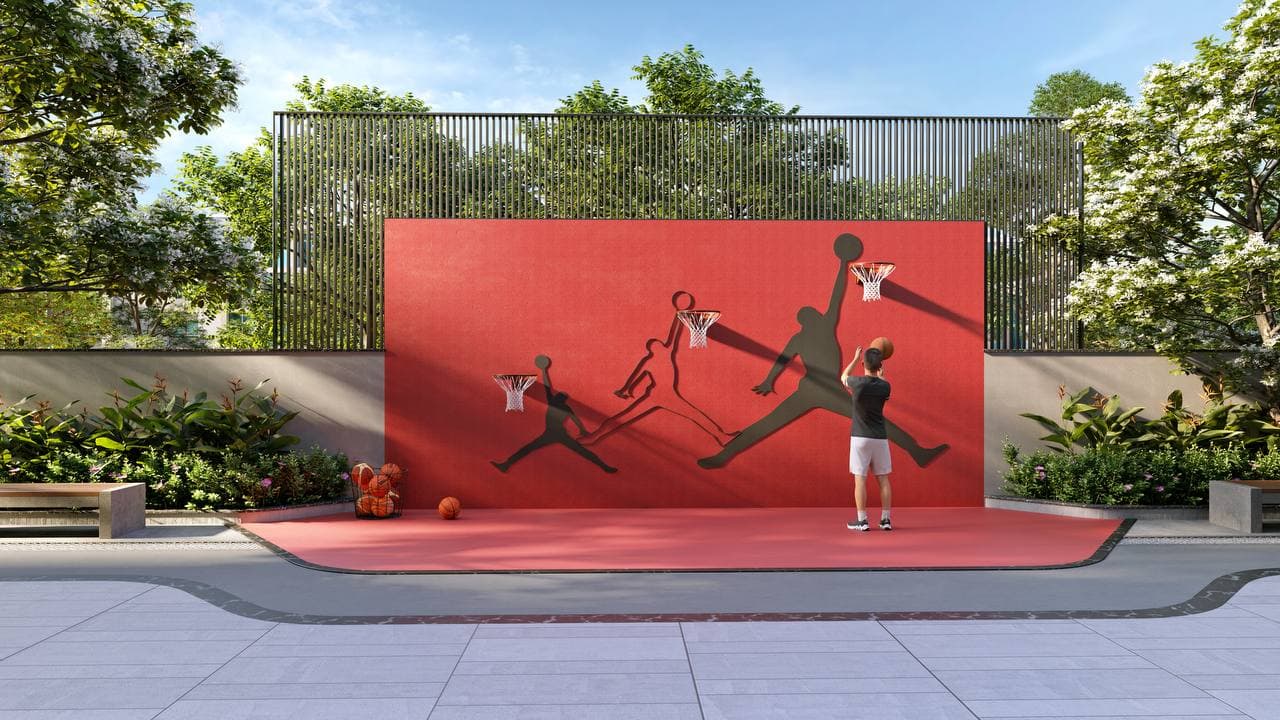
Shared amenities are another important part of the comparison. Large apartment townships may offer a wider variety of facilities because they have more space and a larger residential population. These may include sports courts, swimming pools, fitness centres, community halls and outdoor activity areas. Boutique apartments in Bangalore may offer a more focused set of amenities designed around the needs of a smaller community. A clubhouse can provide space for residents to meet, while a gymnasium can support regular exercise.
Landscaped gardens can offer outdoor areas for relaxation, and indoor games facilities can provide recreational options. Buyers should evaluate the actual size, quality and usability of these amenities. A long list of facilities does not necessarily mean that residents will use them regularly. It is more useful to understand whether the spaces are practical, well located and properly maintained. Maintenance costs should also be considered. Shared amenities require regular cleaning, repairs, security and management. Buyers should understand how these expenses may affect monthly maintenance charges.
Privacy is another factor connected to the way amenities are planned. If a clubhouse, swimming pool or play area is located very close to residential windows, it may influence noise levels and privacy. Good planning should balance access to common facilities with the comfort of residents. Families should consider their own preferences. Some may enjoy a large community with many activities and social opportunities, while others may prefer a smaller development where shared spaces are less crowded. The best residential environment is the one that matches the way residents want to live.
Before choosing between a boutique residential development and a large apartment township, buyers should also compare location, construction quality, apartment layouts and legal details. A smaller project is not automatically a better investment, just as a larger township is not automatically more convenient. Buyers should examine the developer's track record, project specifications, RERA registration, approved plans and possession commitments. They should compare carpet area, apartment dimensions and the actual facilities included in the project.
For people exploring luxury apartments in Whitefield and Brookefield, location is equally important. Access to ITPL, Whitefield Metro Station, schools, hospitals and shopping destinations can influence everyday convenience. Parklane Residences by ARC in BEML Layout, Brookefield, is one development buyers can explore when comparing boutique residential options in East Bangalore. The project has 75 residences across three towers and offers 3 and 3.5 BHK apartments. Its facilities include an 11,000 square foot clubhouse and a rooftop sky pool.
Buyers interested in the development should review the official project details and verify the apartment layouts, specifications and RERA information. They should also visit the property to understand the surroundings and the actual arrangement of the residential spaces. Ultimately, the difference between a boutique development and a large township comes down to scale, planning and the kind of community experience each offers. A thoughtful decision requires looking beyond the number of amenities or the size of the project. It should be based on how comfortable, practical and suitable the development will be for the people living there.
Ready to experience it?
Parklane, Whitefield.